
A scenario can unfold in different ways, and each choice shapes how the situation develops. You are asked to select one option at each step to move the story forward. However, real-life situations are more complex; there is never only one possible way to respond, and outcomes are rarely fixed or predictable. These activities help you understand how you can shape the world by your choice and use of language.
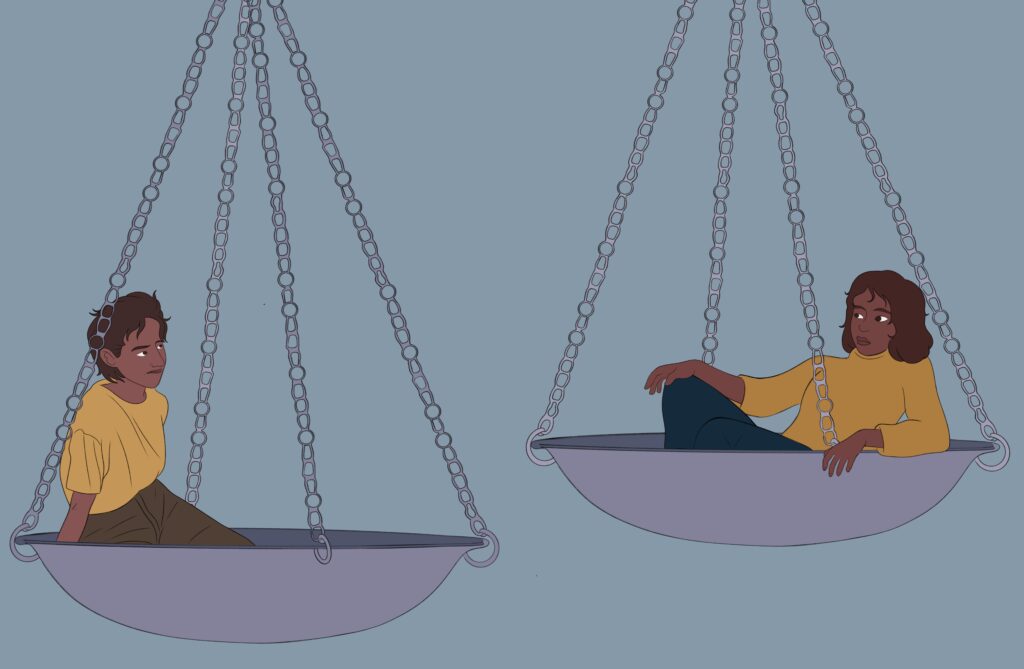
Week 1 introduces the main relationships in the class and the first signs of tension. Everyday situations quickly become social issues. Students face public teasing, awkward questions, and spreading rumours. They see how small actions can change who feels safe, who feels uncomfortable, and what is seen as normal in the group.
By the end of the week, a small incident in the classroom creates different stories about what happened. Friendships and speaking up influence which story people believe. This prepares the way for how these stories later spread outside the classroom.

Week 2 moves the focus to online spaces. Students see how screenshots, GIFs, and AI results that seem objective can increase pressure and damage reputations very fast. Private messages become public proof. Personal identity becomes something others judge. Humiliation turns into content that can be shared again and again.
Students also see how speaking up can be called snitching or ruining the mood. Silence is taken as agreement. A computer-made summary can end discussions and fix one simple version of events as the accepted truth.
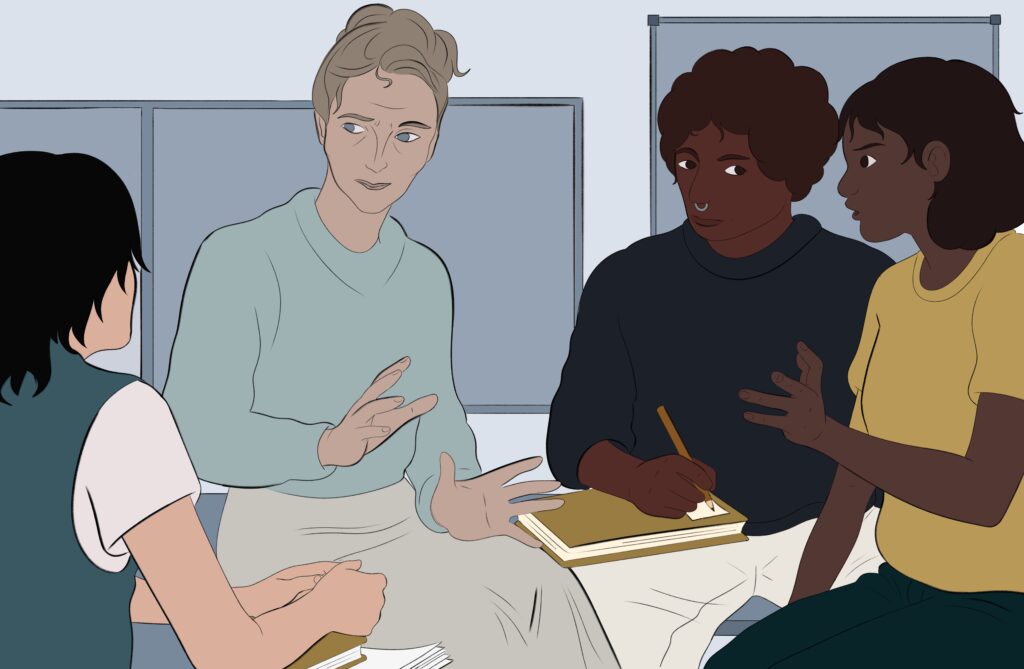
Week 3 shifts from conflict to reflection. Students use a fairness checklist to look at what happened. Situations are not reduced to heroes and villains. Everyone is involved.
The focus is on understanding needs, listening to missing voices, and treating people with respect. Students learn practical skills. These include asking better questions, telling facts apart from opinions, and noticing how tone and power affect who is believed. They also discuss simple rules about privacy, evidence, support, and making things right.
Even in this more reflective framework, outcomes remain partial and fragile, reflecting the reality that trust and group culture evolve gradually rather than through a single, definitive resolution.